Introduction: The Dance of the Aurora
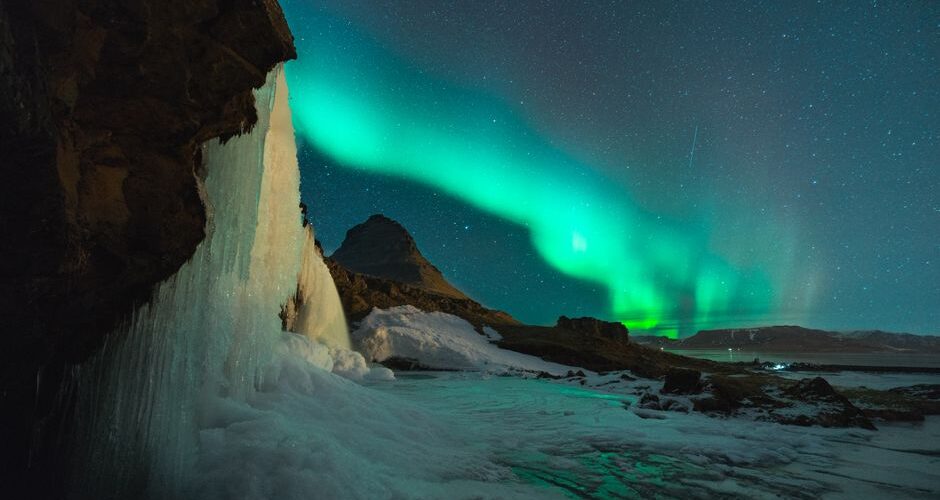
As travelers in 2026, we find ourselves in an age where experiences trump possessions. The Northern Lights, or Aurora Borealis, remain one of the most enchanting natural phenomena, captivating the hearts and imaginations of globetrotters worldwide. This magical dance of colors across the night sky is not just a sight—it’s an experience that stirs the soul.
Where to Go: Top Destinations for Aurora Viewing
- Reykjavik, Iceland: Known for its stunning landscapes and vibrant culture, Reykjavik serves as a perfect base to chase the lights. Head to Thingvellir National Park, where the skies are often clear, and the aurora paints a breathtaking canvas.
- Tromsø, Norway: Situated above the Arctic Circle, Tromsø is celebrated for its long winter nights. Join a guided Aurora safari to explore the best viewing spots in the surrounding wilderness.
- Yellowknife, Canada: With roughly 200 nights of auroral activity each year, Yellowknife is a prime location for viewing. The Aurora Village offers heated teepees for a warm and immersive experience under the lights.
- Abisko, Sweden: Here, the clear skies and the ‘blue hole’ effect create ideal conditions for aurora viewing. Abisko National Park’s Aurora Sky Station provides an excellent vantage point.
- Kakslauttanen, Finland: Famous for its glass igloos, this Finnish resort offers a unique way to experience the aurora—lying back in your heated igloo, watching the lights dance above.
When to Go: Timing Your Trip for Maximum Visibility
Timing is crucial when planning an aurora viewing trip. The Northern Lights are typically visible from late September to early April, with peak activity occurring during the winter months. The best time to witness this spectacle is during the equinox periods, around March and September, thanks to increased geomagnetic activity.
Preparing for the Cold: Essential Gear and Tips
Chasing the aurora often means braving some of the coldest regions on Earth. Layering is key: start with thermal base layers, add insulating layers like fleece, and top it off with a waterproof, windproof outer layer. Don’t forget thermal gloves, hats, and boots. Investing in heat packs can also provide extra warmth during long nights outdoors.
The Science Behind the Magic: Understanding the Aurora Borealis
The Northern Lights occur when charged particles from the sun collide with gases in Earth’s atmosphere, causing vibrant emissions of light. This scientific dance happens about 80 to 300 kilometers above the Earth’s surface. The varying colors—green, pink, red, yellow, blue—depend on the type of gas and the altitude of the collision. Understanding the science adds an extra layer of appreciation for this natural wonder.
Practical Takeaway: Making the Most of Your Aurora Adventure
While the aurora is never guaranteed, the journey is often just as rewarding as the destination. Plan your trip with flexibility, checking local weather forecasts and geomagnetic activity reports regularly. Pack for warmth, have your camera ready, and embrace the local culture and landscape. Whether or not the lights appear, the Arctic offers a myriad of experiences—each one as memorable as the dance of the aurora itself.