Introduction to Urban Green Spaces
As cityscapes continue to evolve, a remarkable trend has emerged in urban planning: the rise of expansive green spaces within bustling metropolises. These urban oases provide a much-needed respite from the concrete jungle, offering residents and travelers alike a place to unwind, connect with nature, and recharge. Let’s take a journey through some of the most impressive urban green spaces around the world in 2026.
1. Central Park’s New Eco-Corridor, New York City
Central Park, a longstanding icon of New York City, has recently undergone a transformation with the addition of its Eco-Corridor. This innovative project links the park’s north and south sections with a lush, green pathway that is both a wildlife haven and a pedestrian paradise. The corridor features native plant species and is designed to attract pollinators, birds, and small mammals. Walking through this corridor feels like stepping into a natural sanctuary, right in the heart of Manhattan.
2. Seoul’s River Revitalization Project, South Korea
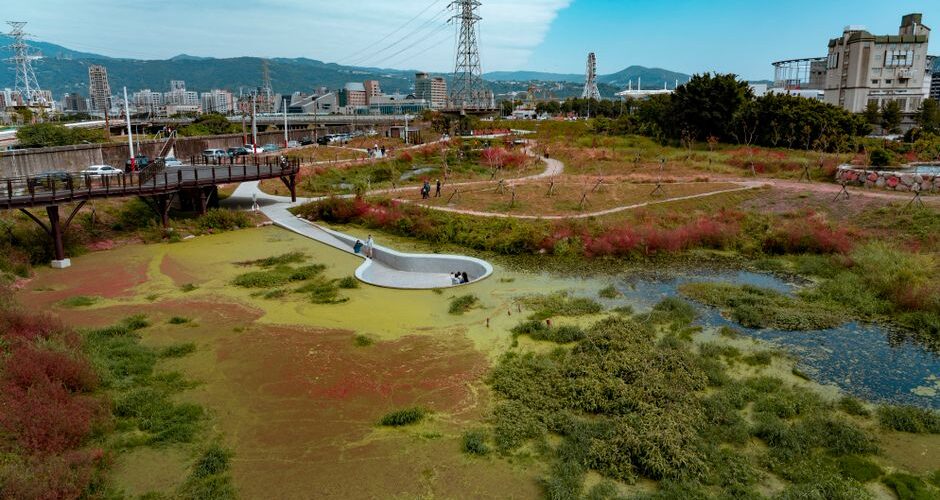
Seoul has taken urban green spaces to the next level with its ambitious River Revitalization Project. This project has transformed the Han River’s banks into vibrant, green corridors bustling with activity. The landscape now includes bike paths, walking trails, and picnic areas complemented by native flora and fauna. Extensive reforestation efforts have also helped improve air quality and reduce the urban heat island effect, making Seoul a model city for environmental resilience.
3. The Singapore Sky Gardens
Singapore, known for its commitment to sustainability, has pushed the boundaries with its Sky Gardens. These vertical green spaces dot the city’s skyline, offering unique recreational areas and breathtaking views. The Sky Gardens are a testament to Singapore’s innovative approach to green architecture, featuring sky-high parks and gardens integrated into residential and commercial buildings. Each garden is a unique ecosystem teeming with tropical plants and wildlife, creating a green habitat amid the urban sprawl.
4. Paris’ Floating Gardens on the Seine
Paris has taken a creative approach to urban greening with the introduction of floating gardens on the Seine River. These floating platforms are designed with a variety of plant species and serve as micro-ecosystems that attract birds and bees. The gardens are accessible to the public and offer a tranquil escape with stunning views of the Eiffel Tower. Paris’ floating gardens highlight the city’s commitment to combining tradition and innovation in urban planning.
5. Melbourne’s Botanical Tramway
Melbourne has integrated greenery into its public transport system with the Botanical Tramway. This system features trams adorned with vertical gardens, bringing a touch of nature to the commute. The Botanical Tramway is not just a transportation innovation but also an educational tool, showcasing native Australian plant species and providing information about biodiversity. It’s a moving garden that transforms the cityscape into an ever-changing tableau of green.
Practical Takeaway: Embrace the Green City Movement
The rise of urban green spaces in 2026 highlights the importance of integrating nature into our cities. Whether you’re a traveler seeking tranquility or a resident looking for a breath of fresh air, these impressive green spaces offer something for everyone. As cities continue to grow, the balance between urbanization and nature becomes increasingly critical, and these projects set a stunning precedent for future urban planning initiatives.