The Global Tapestry: More Interwoven Than Ever
As we venture further into 2026, the world has become an even more interconnected place, with travelers crossing borders at an unprecedented rate. According to the World Tourism Organization, international tourist arrivals are projected to reach 1.8 billion by the end of the year. This burgeoning number is a testament to our collective desire to explore diverse cultures and meet new people. However, with this increased movement comes a heightened responsibility to respect and understand the cultural nuances of the places we visit.
The Importance of Cultural Sensitivity
Cultural sensitivity isn’t just a buzzword; it’s an essential component for meaningful travel. It’s the ability to understand, respect, and appropriately respond to the differences and similarities of another culture. This awareness helps to bridge gaps, reduces misunderstandings, and fosters a genuine connection between travelers and locals. In 2026, where cultural exchanges are part of everyday travel experiences, being culturally sensitive can make or break your trip.
Global Hotspots with Unique Customs
In places like Kyoto, Japan, where tradition is deeply ingrained, understanding local customs can enhance your experience tenfold. For instance, knowing when and how to bow, the importance of removing shoes before entering a home, and the etiquette behind gift-giving can open doors to more authentic interactions. But it’s not just Japan. Whether you’re exploring the vibrant streets of Lagos, Nigeria, where greetings play a crucial role in daily life, or participating in a local fiesta in Oaxaca, Mexico, acknowledging and respecting local customs will enrich your travel experience.
Technology’s Role in Promoting Cultural Sensitivity
The digital age offers travelers an array of tools to become more culturally sensitive. Apps like CultureTrip and Meetup allow you to connect with locals and learn about their customs before setting foot in a new country. Language learning apps such as Duolingo and Babbel can help break down language barriers, enabling more meaningful conversations. Social media platforms also provide windows into the daily lives and traditions of people worldwide. Using these tools not only prepares you for your journey but also demonstrates a level of respect that locals will appreciate.
The Consequences of Ignorance
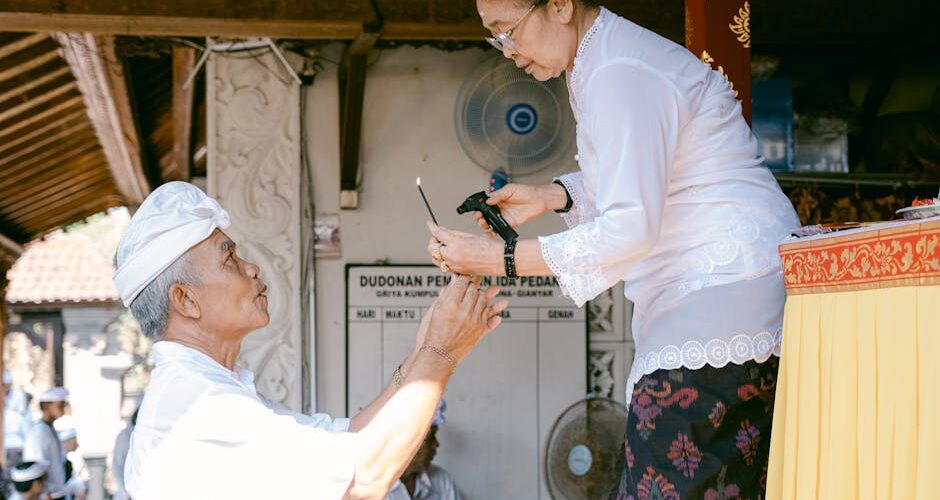
Travelers who disregard cultural sensitivity can inadvertently offend locals, leading to uncomfortable situations or even conflicts. An incident in Bali, Indonesia, serves as a cautionary tale: a group of tourists was heavily criticized for climbing a sacred temple without proper attire, sparking outrage among the local community. Such instances highlight the potential negative impact of cultural ignorance and underscore the need for respectful and informed travel practices in 2026.
Practical Tips for Being a Culturally Sensitive Traveler
- Research Before You Go: Understanding a country’s cultural norms and history can prevent misunderstandings. Read books, watch documentaries, or follow local influencers to get a sense of the local culture.
- Learn Key Phrases: Even if it’s just a few words, speaking the local language shows respect and effort, often paving the way for better interactions.
- Observe and Adapt: When in doubt, observe how locals behave in specific situations and follow suit. This technique is one of the simplest ways to avoid cultural faux pas.
- Ask Questions: If you’re unsure about certain customs, ask. Most locals appreciate curiosity and will be happy to explain their traditions.
- Respect Local Dress Codes: Dressing appropriately for the culture and climate is crucial. This shows respect for local customs and can often help in blending in more effortlessly.
Traveling is a privilege that comes with responsibilities. By approaching new cultures with respect and open-mindedness, travelers in 2026 can help foster a global environment of mutual understanding and appreciation. So, before packing your bags, remember that cultural sensitivity can be your most valuable travel companion.