The Allure of Lost Cities
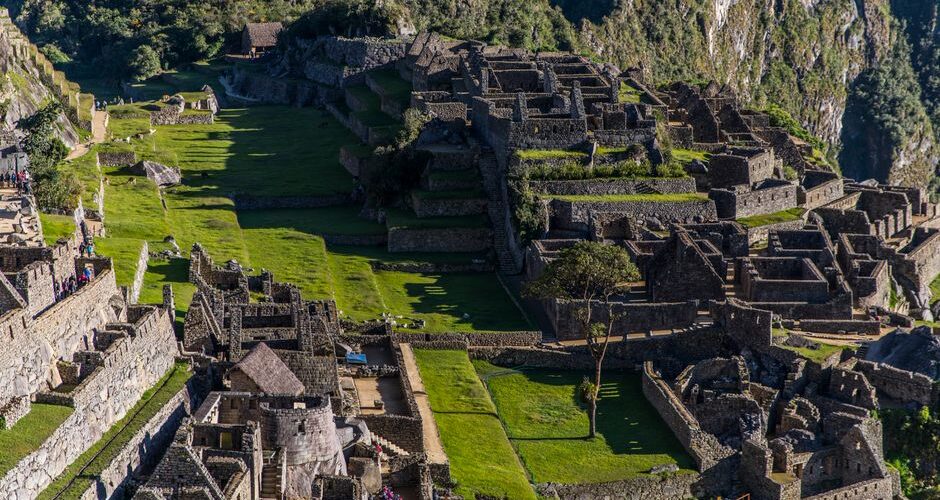
There’s something undeniably enchanting about lost cities. These remnants of once-thriving civilizations hold mysteries that draw explorers and travelers alike. In 2026, the allure is even stronger as advances in technology and archeology invite us to explore these ancient wonders more deeply. From the dense jungles of Central America to the arid deserts of the Middle East, lost cities provide a window into our past, waiting to be rediscovered.
1. Ciudad Perdida, Colombia
Hidden deep within the Sierra Nevada mountains, Ciudad Perdida (Lost City) is a pre-Columbian town believed to have been founded around 800 CE, making it older than Machu Picchu. This ancient city, known as Teyuna to its indigenous builders, has long been veiled in mystery. It’s not accessible by car, and reaching it requires a challenging multi-day trek through lush, humid jungle terrain. In 2026, more eco-conscious tours have made this journey not only feasible but also sustainable, ensuring that the area’s natural beauty remains unspoiled for generations to come.
2. Petra, Jordan
Petra is perhaps the most famous of all lost cities. Carved directly into vibrant red, white, and pink sandstone cliffs, it flourished as the capital of the Nabataean Empire from the 4th century BC. This year, Petra continues to captivate with its monumental architecture and advanced water management system. The Siq, the narrow gorge that leads visitors into the heart of Petra, reveals the iconic Treasury, a sight that never fails to inspire awe. With new augmented reality tours introduced in 2026, visitors can now experience Petra like never before, witnessing reconstructions of its bustling past through their smart devices.
3. Nan Madol, Micronesia
Off the coast of Pohnpei in Micronesia lies Nan Madol, an eerie yet fascinating city built on a series of artificial islets linked by a network of canals. Often referred to as the “Venice of the Pacific,” Nan Madol was the ceremonial and political seat of the Saudeleur Dynasty until around 1628. In 2026, efforts to preserve Nan Madol have heightened, with underwater archeological studies revealing more about its mysterious origins and the technology used to construct its massive stone structures. Visiting Nan Madol is a journey back in time, with its remote location preserving the site’s tranquil and untouched atmosphere.
4. Mohenjo-Daro, Pakistan
Mohenjo-Daro, one of the world’s earliest major cities, was a center of the Indus Valley Civilization in modern-day Pakistan. With its advanced urban planning, including sophisticated drainage systems, Mohenjo-Daro was a marvel of its time. Recent excavations in 2026 have uncovered new aspects of its layout and daily life, shedding light on the socio-cultural dynamics of its inhabitants. Technology plays a pivotal role here, with holographic guides bringing the ancient city to life for today’s visitors.
5. Tikal, Guatemala
Nestled in the heart of the Guatemalan rainforest, Tikal was once a thriving metropolis of the Mayan civilization. It’s known for its towering pyramids and expansive plazas. In 2026, Tikal is easily accessible via eco-friendly transportation options, allowing travelers to explore its pristine ruins without leaving a significant carbon footprint. The site’s unique soundscapes, from the howler monkeys to the calls of exotic birds, enhance the mystical atmosphere that envelops Tikal.
Practical Takeaway: Planning Your Adventure
If you’re planning to visit any of these lost cities in 2026, preparation is key. Research each destination’s climate and terrain to pack appropriately, ensuring both comfort and safety. Consider joining guided tours for an enriched understanding of the historical context, or embark on self-guided visits with the help of augmented reality apps that enhance the experience. Remember, these sites are not just tourist attractions; they are irreplaceable treasures of human history. Treat them with respect, and you’ll find that the stories they hold are more rewarding than any souvenir.