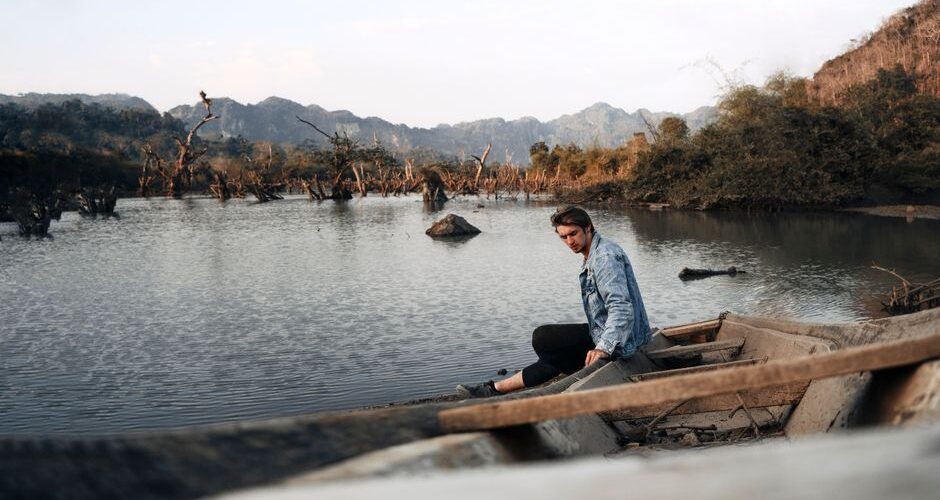
Introduction to Slow Travel
Traveling isn’t just about reaching a destination; it’s about the journey and the experiences we gather along the way. In 2026, the concept of slow travel is gaining momentum, encouraging travelers to move away from the breakneck speed of hopping between destinations. Instead, it’s about taking the time to immerse yourself in the culture and life of a place. If the idea of savoring each moment rather than rushing through appeals to you, slow travel might just change the way you see the world.
Why Slow Travel?
Why choose slow travel over the traditional whirlwind tour? For starters, it allows you to form a deeper connection with the places you visit. Imagine spending a month in a small Italian town, learning the language, and enjoying local festivals. You become part of the community rather than just a passerby. Moreover, slow travel can be more sustainable, reducing your carbon footprint by minimizing flights and long-distance travel. It’s about quality over quantity — fewer places, but richer experiences.
How to Embrace Slow Travel
Adopting slow travel requires a shift in mindset and planning. Start by choosing destinations that encourage a slower pace, such as rural villages or regions with excellent public transport. For example, the Cotswolds in England or the Douro Valley in Portugal, where you can cycle, hike, or take leisurely train journeys. It’s crucial to embrace flexibility — instead of cramming every landmark into your itinerary, allow for spontaneity. Explore uncharted paths, spend afternoons in local cafes, and have conversations with locals.
Top Destinations for Slow Travel in 2026
- Kyoto, Japan: A city where tradition meets tranquility. Spend your days visiting serene temples, walking through bamboo forests, and participating in tea ceremonies.
- Chiang Mai, Thailand: Known for its relaxed vibe, Chiang Mai offers a mix of urban life and natural beauty. Participate in yoga retreats or learn the art of Thai cooking.
- Tuscany, Italy: With its rolling hills and vineyards, Tuscany is perfect for leisurely exploring. Spend time unearthing the secrets of winemaking or indulge in a culinary course.
- Galicia, Spain: Less crowded than other Spanish regions, Galicia boasts lush landscapes and a rich Celtic heritage. Walk the Camino de Santiago or discover its hidden beaches.
Challenges of Slow Travel
Embracing slow travel isn’t without its challenges. It requires more time and often more planning. Traditional vacation time limits can make it hard to fully engage with the slow travel philosophy. However, with remote working becoming more commonplace, it’s increasingly feasible to spend longer periods abroad. Budgeting can also be tricky, as longer stays might mean higher accommodation costs. Consider house sitting, long-term rentals, or homestays to keep costs down.
Practical Takeaway
Slow travel invites you to see the world differently, valuing depth over breadth. As you plan your next trip, look for ways to slow down, whether that’s choosing a single destination to explore thoroughly or extending your stay. Remember, the beauty of travel lies not just in seeing new places, but in truly experiencing them. In 2026, let’s make travel less about ticking boxes and more about creating lasting memories.


